
Building Reliable Water Storage Solutions for a Sustainable Future
Clean water is essential for life, yet delivering it reliably remains a challenge worldwide. Whether on the ground or elevated high above, water storage systems play a crucial role in ensuring communities and industries have access to safe water whenever they need it. With over a century of experience, our company has built a reputation for delivering dependable water storage solutions that meet diverse needs, from small-scale tanks to massive elevated towers holding over a million gallons.

Water storage infrastructure is more than just containers holding water. It is a vital part of sustainable water management, supporting public health, firefighting, agriculture, and industrial processes. This post explores how well-designed water storage systems contribute to a sustainable future and why choosing the right solution matters.
The Importance of Reliable Water Storage
Water supply systems face many challenges: fluctuating demand, seasonal shortages, contamination risks, and infrastructure aging. Reliable storage systems help buffer these challenges by:
Balancing supply and demand: Storing water during periods of abundance for use during dry spells or peak demand.
Maintaining water quality: Properly designed tanks prevent contamination and preserve water cleanliness.
Supporting emergency needs: Elevated towers provide pressure for firefighting and critical services.
Reducing energy use: Gravity-fed systems from elevated tanks lower pumping costs.
Without dependable storage, communities risk water shortages, service interruptions, and health hazards. Investing in quality storage infrastructure ensures water is available, safe, and affordable.
Types of Water Storage Systems
Water storage solutions come in various forms, each suited to different applications and scales. Here are the most common types:
Ground Storage Tanks
These tanks sit at ground level and are often used for municipal water, irrigation, or industrial processes. They can be made from steel, concrete, or composite materials. Ground tanks are easier to access for maintenance and inspection.
Small-scale tanks: For example, shop-fabricated EnviroBox tanks with capacities around 5,000 gallons serve small communities or commercial sites.
Large-scale tanks: Municipalities may use tanks holding hundreds of thousands of gallons to meet urban demand.
Elevated Water Storage Towers
Elevated towers store water high above the ground to create pressure through gravity. This pressure ensures consistent water flow without continuous pumping.
Capacity: Towers can hold over 1 million gallons, serving large cities or industrial complexes.
Design: Towers come in various shapes, including spheroid, multi-column, and composite designs, chosen based on site conditions and aesthetic preferences.
Specialized Storage Solutions
Some projects require custom solutions, such as:
EnviroBox tanks: Modular, shop-fabricated tanks that are easy to transport and install.
Corrosion-resistant tanks: For storing treated water or chemicals safely.
Seismic-resistant designs: For areas prone to earthquakes.
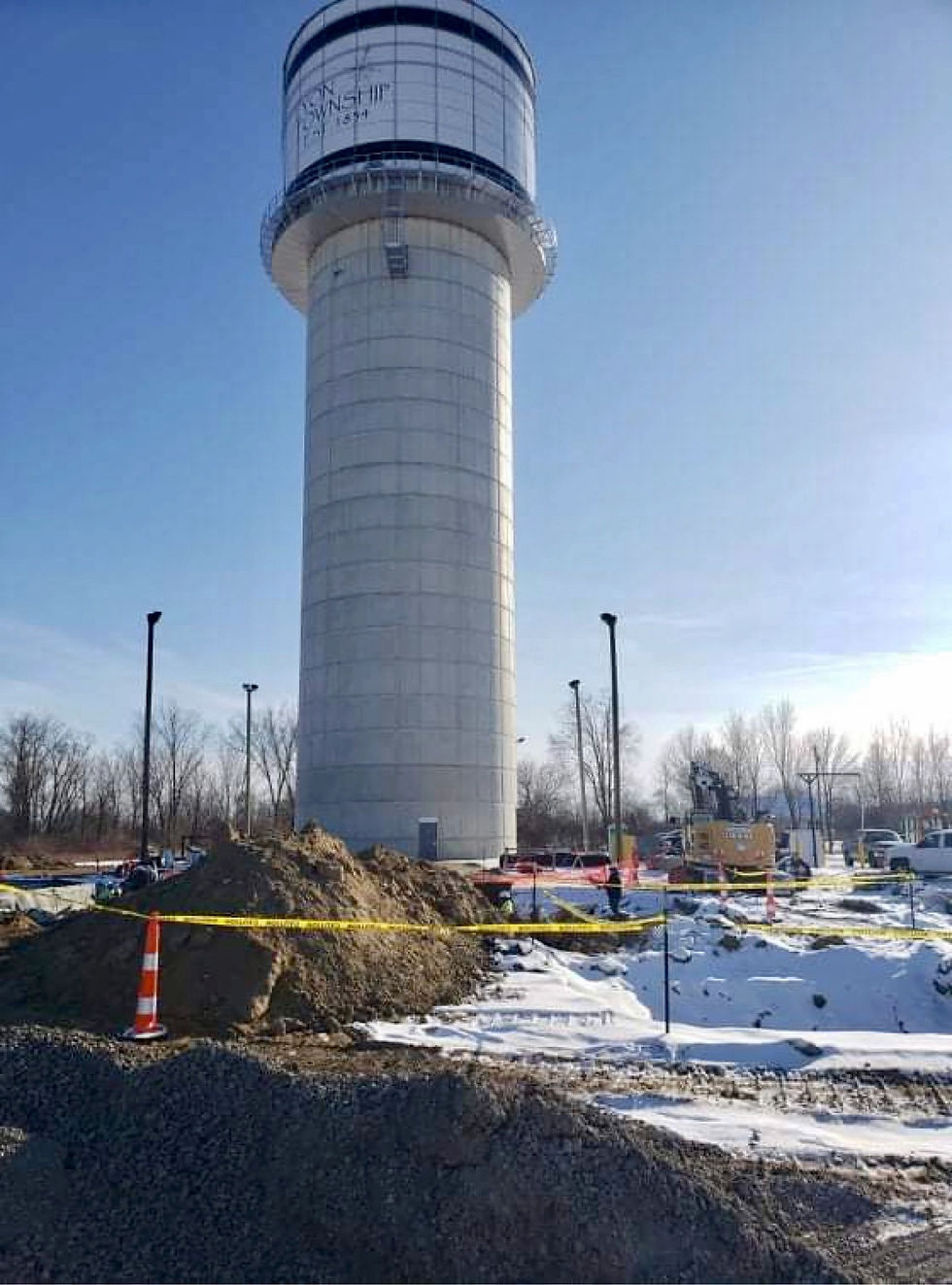
Elevated water storage towers provide reliable pressure and large capacity for urban water systems.
How Experience Shapes Quality Water Storage
With over 100 years of experience, our company understands the nuances of building water storage infrastructure that lasts. Experience brings:
Material expertise: Selecting the right materials to withstand local climate and water chemistry.
Design knowledge: Engineering tanks and towers that meet capacity, safety, and maintenance requirements.
Project management: Coordinating complex projects globally, ensuring timely delivery and quality control.
Client collaboration: Tailoring solutions to specific needs, whether a small rural community or a large industrial client.
For example, delivering a 5,000-gallon EnviroBox tank to a remote site requires different logistics and design considerations than constructing a million-gallon elevated tower in a metropolitan area. Our team adapts to these challenges with proven methods and innovative thinking.
Benefits of Choosing the Right Water Storage Solution
Selecting the appropriate water storage system impacts long-term sustainability and operational costs. Key benefits include:
Consistent water availability: Avoiding shortages during peak use or drought.
Improved water quality: Reducing contamination risks through proper design and materials.
Energy savings: Using gravity-fed systems to lower pumping energy.
Reduced maintenance costs: Durable materials and accessible designs simplify upkeep.
Scalability: Systems can grow with community or industrial needs.
For instance, a city upgrading from aging ground tanks to elevated towers can improve water pressure and reduce energy bills, while a small business installing modular EnviroBox tanks gains flexibility and quick deployment.
Practical Considerations for Water Storage Projects
When planning a water storage system, consider these factors:
Capacity needs: Estimate current and future water demand accurately.
Site conditions: Soil type, seismic risk, and space availability affect design.
Water quality requirements: Choose materials and coatings that prevent contamination.
Regulatory compliance: Meet local codes and environmental standards.
Budget and timeline: Balance cost with quality and delivery schedules.
Working with experienced engineers and contractors ensures these factors are addressed early, avoiding costly redesigns or failures.
To learn more about our capabilities, reach out to Info@MunicipalTankWorks.com or give us a call @ (330) 970 - 6030.


Comments